Investing in oil and gas has always been an attractive option for individuals and organizations seeking to diversify their investment portfolios. These commodities have a long-standing reputation for delivering substantial returns. However, like any investment, they come with a set of unique risks and rewards. If you’re looking for a structured way to understand how to invest in oil and gas, this article will guide you through the essential considerations, investment options, and strategies.
Understanding Oil and Gas Investment
Options include direct oil production investments or companies that transport, refine, or sell petroleum. As one of the world’s most essential commodities, oil and natural gas serve as the backbone of the global energy infrastructure. However, the methods of investing in these resources vary widely, depending on the level of risk tolerance and the type of investor.
The Types of Oil and Gas Investments
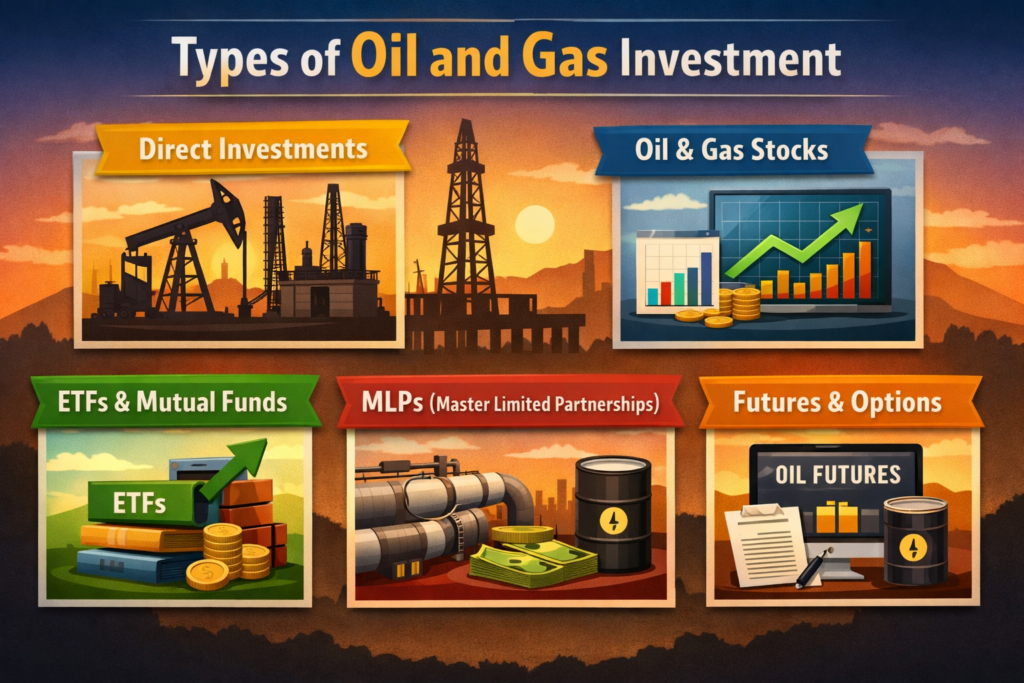
There are several ways you can invest in oil and gas. Options include direct investments in oil production or investing in companies that transport, refine, or sell petroleum products. Here’s a breakdown of the primary avenues you can explore:
- Direct Investment in Oil and Gas Wells
- Exploration and Production (E&P) Companies: Investors can purchase shares or even buy into oil wells themselves. These investments typically require large sums and are riskier, as production rates may fluctuate with market changes.
- Oil and Gas Stocks
- Publicly Traded Companies: If you are looking to minimize risk, you can buy stocks in large companies that operate in the oil and gas sector. These include firms that handle drilling, refining, distribution, or even oil field services. These companies can offer more stability because they are diversified and typically manage multiple assets.
- Exchange-Traded Funds (ETFs)
- ETFs and Mutual Funds: ETFs are one of the easiest and most accessible ways for investors to gain exposure to the oil and gas market. These funds pool money from multiple investors and invest in a variety of oil-related companies or even futures contracts.
- Master Limited Partnerships (MLPs)
- MLPs in Oil and Gas: An MLP is a publicly traded partnership that generally focuses on the transportation, storage, and processing of oil and gas. Investing in MLPs provides high dividends due to their structure, which is designed to return a significant portion of profits to investors.
- Oil Futures and Options
- Futures Contracts: For more experienced investors, oil futures and options contracts allow you to buy and sell oil at a predetermined price at a set date in the future. This is a speculative investment, and it requires a good understanding of how the market works.
Factors Affecting Oil and Gas Investment Returns
Several factors can significantly impact the return on your oil and gas investments. These include:
- Global demand and supply. Political decisions, natural disasters, and international trade agreements can affect this balance. For more detailed data and trends on energy markets, you can refer to the Global Energy Market Trends provided by the U.S. Energy Information Administration (EIA).
- Geopolitical Events: Political instability in key oil-producing regions (like the Middle East) can create volatility, making oil prices unpredictable.
- Technological Advances: New extraction technologies like fracking have boosted supply. The U.S. has seen significant gains. These advances can make it more profitable to invest in some regions and companies.
- Environmental Concerns: The shift to renewables influences future fossil fuel demand. This makes long-term oil and gas investments less stable.
Choosing the Right Oil and Gas Investment Strategy
Develop a strategy that aligns with your goals and risk tolerance before investing. Here are some considerations to help you determine your ideal investment route:
Risk Tolerance
- Conservative investors may prefer stable oil stocks or ETFs. These minimize exposure to volatile commodity swings.
- Aggressive investors may choose direct investments. These include oil wells, futures, or small exploration companies.
Investment Horizon
- Short-term investors might find success in futures contracts, where quick movements in oil prices can offer substantial gains.
- Long-term investors may look at dividend-paying stocks or MLPs, which provide steady returns through regular income distributions.
Diversification
Given the high volatility in the oil and gas markets, diversification is key to managing risk. Instead of betting all your money on a single oil stock or well, consider spreading your investment across various types of assets to balance out potential losses. For investors looking beyond energy, exploring alternative investment options like real estate can provide additional portfolio stability and passive income opportunities.
Common Risks in Oil and Gas Investment
Oil and gas investments are not for the faint-hearted. Here are some risks associated with this sector:
- Price Volatility: Oil prices fluctuate due to global economic factors, geopolitical events, and natural disasters. These fluctuations can affect the profitability of investments in oil stocks, ETFs, and even MLPs.
- Regulatory Risks: Governments around the world heavily regulate the oil and gas sector. Changing policies, such as taxes or environmental regulations, can have significant effects on the profitability of investments.
- Environmental Concerns: As global attention turns to environmental sustainability, oil and gas operations may face increased scrutiny. This could lead to costly litigation or tighter regulations.
- Market Cycles: The oil and gas market is cyclical. Oil and gas prices may soar during certain economic conditions. They can also crash during downturns. Oversupply situations can further exacerbate these price declines.
Tax Implications of Oil and Gas Investments
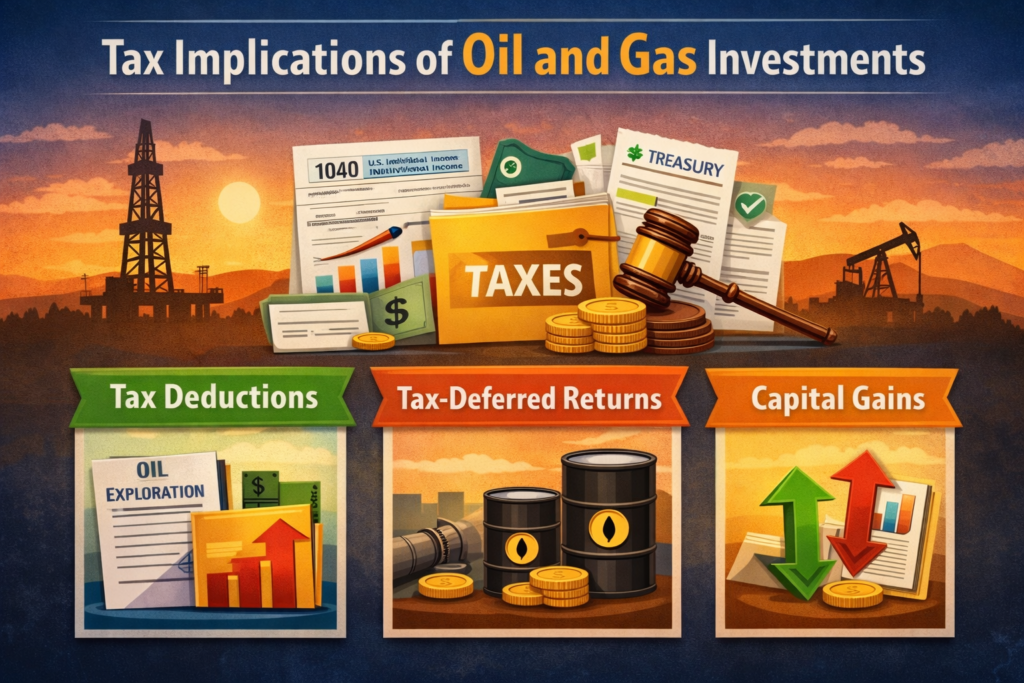
When investing in oil and gas, understanding the tax implications is critical. Here are some tax-related factors to keep in mind:
- Tax Deductions for Oil Explorations: Some investments, such as direct investments in oil wells, may qualify for tax deductions under certain conditions. These are often referred to as intangible drilling costs (IDC). These are often referred to as intangible drilling costs (IDC).
- Tax-Deferred Returns: MLPs allow investors to receive tax-deferred income. This makes them an attractive investment option for those looking to manage their tax liabilities.
- Capital Gains Tax: Depending on your country’s tax laws, selling an oil stock or futures contract may result in capital gains taxes. These taxes can impact the overall returns on your investment. These taxes can impact the overall returns on your investment.
Frequently Asked Questions (FAQs)
What are the most common ways to invest in oil and gas?
The most common ways to invest in oil and gas include buying stocks in oil companies, investing in ETFs, trading oil futures, or purchasing shares in MLPs. Each method comes with its own set of risks and rewards, and choosing the right one depends on your risk tolerance and financial goals.
Can I make money investing in oil and gas?
Yes, you can make money investing in oil and gas. But like any investment, it comes with risks. The profitability of oil investments often depends on market conditions, geopolitical events, and the type of investment vehicle used.
How do oil futures work?
Oil futures are contracts that allow investors to buy or sell oil at a predetermined price at a set date in the future. This type of investment is speculative and typically used by those who can handle volatility and short-term risks.
Is investing in oil and gas a long-term strategy?
Investing in oil and gas can be a long-term strategy, particularly if you are investing in oil companies that have stable operations or MLPs that provide regular dividends. However, the market can be cyclical, and returns may vary significantly depending on external factors such as geopolitical events or global demand.
How do I choose the best oil and gas stocks?
Choosing the best oil and gas stocks involves looking at the company’s financial health, the stability of its operations, and its exposure to the global oil market. It’s essential to research the company’s production capacity, debt levels, and overall market position before investing.
Conclusion
Investing in oil and gas presents a unique opportunity for those looking to diversify their portfolios and tap into a global market driven by energy demand. However, it’s important to approach these investments with a clear understanding of the risks involved, including price volatility, geopolitical tensions, and regulatory changes. Whether you choose to invest directly in oil wells, buy stocks in oil companies, or trade futures contracts, each option carries its own set of rewards and challenges. By carefully assessing your risk tolerance, financial goals, and market conditions, you can make informed decisions that align with your long-term investment strategy.
In conclusion, while the oil and gas sector can be a highly rewarding investment avenue, it requires a deep understanding of the market dynamics and the ability to manage risk effectively. Diversification, ongoing research, and staying updated on global energy trends are key to success in this field. Whether you’re a conservative investor looking for stable returns through MLPs or an aggressive investor betting on oil futures, the opportunities in the oil and gas industry remain vast, provided you’re willing to navigate its complexities with care and diligence.