Investable assets refer to the financial resources that can be used to generate a return on investment. These assets are typically in the form of cash, securities, property, and other investments that have the potential to grow in value or produce income over time. Understanding what qualifies as investable assets is a key step in any investment strategy, as it helps investors determine where to allocate their money for optimal returns.
Defining Investable Assets
Investable assets are resources that can be easily converted into investments. These include not only cash but also assets that can be sold or leveraged to acquire income-generating investments. An individual or entity can invest in these assets for the purpose of wealth accumulation, savings, and retirement planning. Importantly, investable assets are not limited to stocks and bonds; they extend to other types of assets as well.
Types of Investable Assets
There is a wide range of investable assets that an individual can consider, depending on their financial goals, risk tolerance, and time horizon. For a deep dive into one specific category, check out these specific strategies for investing in commodities like oil and gas. Below are some of the most common types:
Cash and Cash Equivalents
Cash on hand is the simplest form of an investable asset. It can be used directly for investment opportunities. Cash equivalents like money market funds and short-term government bonds also fall into this category. These assets provide low risk but also low returns.
Stocks and Bonds
Stocks (also known as equities) are investments in a company that give the investor a share of ownership. Bonds, on the other hand, are debt securities issued by corporations or governments. These are traditionally considered key investable assets for wealth growth, as they have the potential for both income (via dividends or interest) and capital appreciation. Learn more about the different types of stocks and bonds on Fidelity.
Real Estate
Real estate is another highly valuable investable asset. This includes residential properties, commercial buildings, and land. Real estate can generate income through rent or property appreciation. It’s often seen as a stable and long-term investable asset.
Commodities
Commodities such as gold, oil, and agricultural products also qualify as investable assets. These are tangible assets that can be traded and have a history of offering a hedge against inflation. Investing in commodities can be done directly (through physical assets) or indirectly (through commodity-focused ETFs or futures contracts).
Mutual Funds and ETFs
Mutual funds and exchange-traded funds (ETFs) pool money from various investors to purchase a diversified portfolio of stocks, bonds, or other assets. These funds offer an easy and affordable way for individuals to invest in a diversified set of investable assets, reducing the risk associated with investing in individual securities.
Private Equity and Venture Capital
Private equity and venture capital refer to investments made in private companies. Institutional investors or high-net-worth individuals typically make these investments, which can yield high returns but also carry a high level of risk.
Cryptocurrencies
Cryptocurrencies like Bitcoin, Ethereum, and other digital currencies have become modern investable assets. While they are highly speculative and volatile, they offer high potential returns for investors willing to take on the risk.
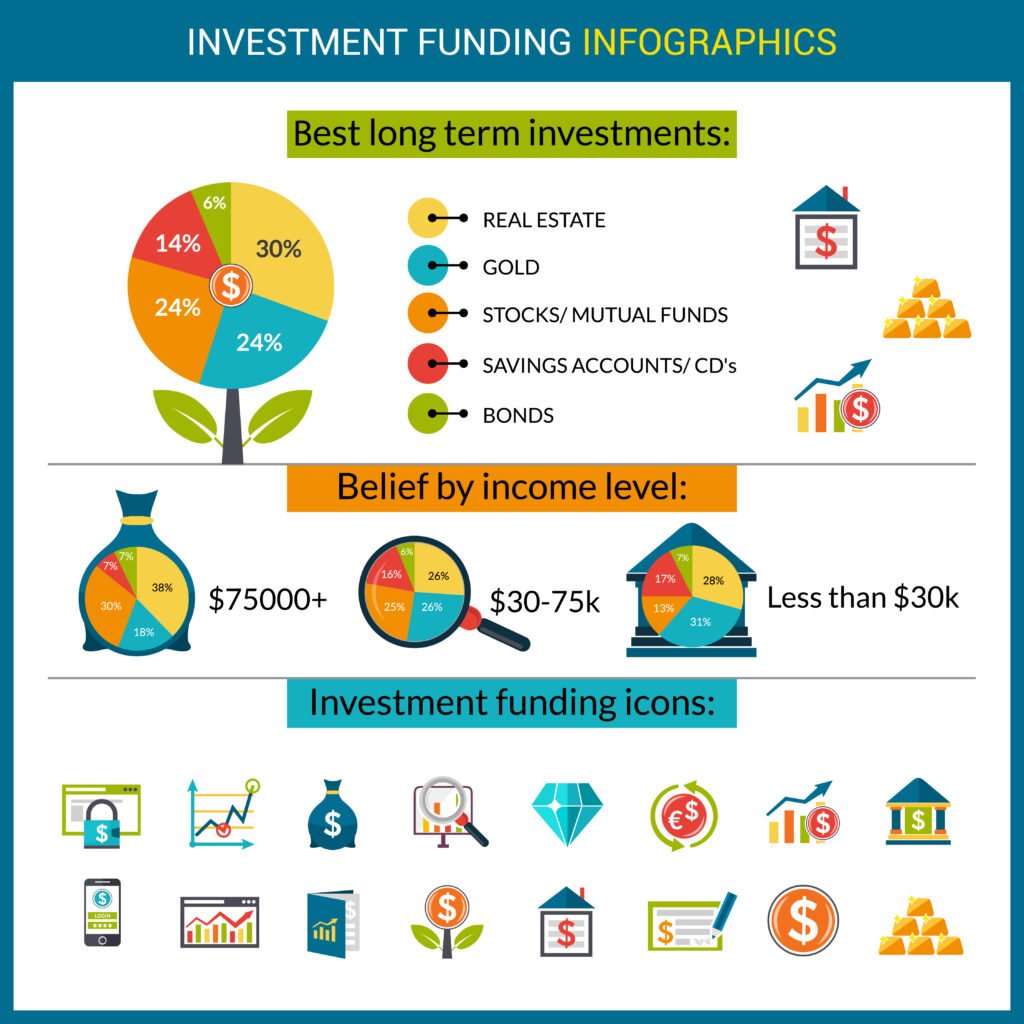
How to Identify Investable Assets
When determining what qualifies as an investable asset, it’s important to understand the characteristics that make certain assets more viable for investment. These characteristics include:
- Liquidity: The ability to quickly convert an asset into cash without affecting its price.
- Potential for Growth: Whether the asset can appreciate over time and generate a return.
- Risk Profile: The level of risk associated with the asset, which may vary depending on the type of investment.
- Income Generation: Whether the asset can generate regular income, such as through dividends, interest, or rental payments.
What Makes an Asset “Investable”?
An asset qualifies as “investable” if it meets certain criteria. First and foremost, it must be exchangeable for cash or able to generate income or capital appreciation. It should be relatively easy to trade or sell, and there must be a reasonable expectation that it can contribute to wealth accumulation.
For example, stocks are investable because they offer the potential for long-term growth and income in the form of dividends. Real estate is investable because it can generate rental income and appreciate in value. Commodities, while less liquid than stocks, can also serve as investable assets due to their potential for price increases over time.
Why Are Investable Assets Important?
Investable assets form the cornerstone of personal and institutional wealth-building strategies. These assets are important because:
- They provide the opportunity for capital growth over time.
- They can generate passive income, which is crucial for retirement planning and maintaining financial security.
- Properly investing in assets helps diversify an investment portfolio, spreading risk and reducing exposure to market volatility.
Factors That Impact the Value of Investable Assets
The value of investable assets is influenced by several factors, including:
- Market Conditions: Economic factors such as interest rates, inflation, and global trade influence asset prices.
- Supply and Demand: The balance between the availability of an asset and its demand plays a crucial role in its value.
- Company Performance: For stocks and bonds, the performance of the issuing company or entity directly impacts asset value.
- Geopolitical Events: Natural disasters, political instability, and conflicts can all affect the value of assets, especially commodities and real estate.
How to Invest in Investable Assets
Investing in investable assets requires careful planning and consideration. Here are some tips for getting started:
- Diversify Your Portfolio: Diversification helps spread risk. Don’t put all your funds into one type of asset. Instead, balance your portfolio with a mix of stocks, bonds, real estate, and other types of investments.
- Know Your Risk Tolerance: Some investable assets, like stocks and cryptocurrencies, come with high risk but also offer high potential returns. Others, like cash equivalents and bonds, are lower-risk options. Understanding your risk tolerance is key to choosing the right mix of assets.
- Research Before Investing: Conduct thorough research or consult with a financial advisor to determine which investable assets are best for your financial goals and risk profile.
- Monitor Your Investments: Keep track of your investments and adjust your strategy based on changes in the market or your personal financial situation.
Risk and Reward of Investable Assets
Investing in investable assets comes with inherent risks, but the potential rewards can outweigh these risks when done wisely. Generally, higher-risk assets have the potential for higher returns, while lower-risk assets provide more stability but may offer limited growth. It’s crucial to find a balance that suits your financial objectives. For a deeper understanding of capital preservation, here is a detailed definition of safe assets and their role in portfolios.
Examples of Riskier vs. Safer Investable Assets
Here are some examples of investable assets ranked from riskier to safer:
| Asset Type | Risk Level | Potential Reward |
|---|---|---|
| Cryptocurrencies | High | High |
| Stocks (individual) | Moderate | Moderate to High |
| Bonds (government) | Low | Low to Moderate |
| Real Estate | Moderate | Moderate |
| Cash and Equivalents | Very Low | Very Low |

The Importance of Investing Early
The earlier you start investing in investable assets, the more time your assets have to grow and compound. Starting early provides the advantage of time, allowing you to take on more risk in your younger years and shift to more conservative investments as you approach retirement.
Frequently Asked Questions
1. What are the most common types of investable assets?
Some of the most common investable assets include stocks, bonds, real estate, and mutual funds. These assets are popular because they have a history of generating both income and capital appreciation.
2. How do I know if an asset is investable?
An asset is investable if it has the potential to appreciate in value or generate income over time. It should also be liquid enough to sell or trade easily when needed.
3. Can commodities be considered investable assets?
Yes, commodities like gold, oil, and agricultural products are considered investable assets. They can provide a hedge against inflation and offer significant returns under the right market conditions.
4. Is real estate a good investable asset?
Real estate is often considered a safe and stable investable asset. It can generate consistent income through rent and appreciates in value over time. However, it requires a significant upfront investment and can be illiquid.
5. How can I reduce the risk when investing in assets?
To reduce risk, it is essential to diversify your portfolio across various asset classes, such as stocks, bonds, real estate, and other investable assets. Diversification helps spread risk and minimizes exposure to any single asset.
Conclusion
In conclusion, understanding what investable assets are is a crucial part of any successful financial strategy. By knowing the different types of investable assets, such as stocks, bonds, real estate, and commodities, investors can make informed decisions that align with their goals and risk tolerance. Whether you are just starting to invest or looking to diversify your portfolio, recognizing the potential of these assets is the first step toward building wealth.
Furthermore, the importance of diversification cannot be overstated. By allocating your resources across a variety of investable assets, you reduce the risks associated with individual investments, making your financial journey smoother. Keep in mind that the key to successful investing is not just picking the right assets but also understanding the underlying factors that drive their value. Start early, research thoroughly, and stay informed to make the most of your investable assets and secure your financial future.