Cryptocurrencies have revolutionized the way we think about money and investments. Among the most prominent of these digital currencies, Ethereum stands out, not just because of its cryptocurrency, Ether (ETH), but also because of its innovative blockchain platform that enables smart contracts and decentralized applications (dApps). When evaluating whether Ethereum is a good investment, it’s crucial to understand both its technological capabilities and its role in the broader financial ecosystem.
Ethereum, created by Vitalik Buterin in 2015, introduced an entirely new dimension to the cryptocurrency world by enabling the development of smart contracts. Unlike Bitcoin, which functions primarily as a store of value or digital currency, Ethereum allows developers to build decentralized applications (dApps) directly on its blockchain. This has led to the creation of a wide range of decentralized systems, particularly in finance, supply chain management, and digital entertainment.
For potential investors, Ethereum offers much more than just a digital currency to buy and sell. It’s a dynamic platform that supports innovative technologies and promises future advancements that could make it an even more valuable asset. But is it a good investment? In this article, we’ll explore the various factors that make Ethereum appealing, the potential risks, and how its future might shape up in the years to come.
What is Ethereum?
Before diving into the investment aspects of Ethereum, it’s important to understand exactly what it is. Ethereum is a decentralized, open-source blockchain system that facilitates the execution of smart contracts and the development of decentralized applications (dApps). Smart contracts are self-executing contracts where the terms of the agreement between buyer and seller are written directly into code. This eliminates the need for intermediaries, such as banks or lawyers, and streamlines processes, making transactions quicker, more transparent, and secure.
The Ether (ETH) cryptocurrency powers the Ethereum network. It’s used to pay for transaction fees and computational services on the network. Unlike Bitcoin, which is primarily used as a store of value and medium of exchange, Ethereum serves as a platform that supports a wide array of decentralized applications.
Ethereum is often referred to as the second-largest cryptocurrency by market capitalization, second only to Bitcoin. However, unlike Bitcoin, which focuses on payments, Ethereum’s blockchain facilitates applications that can serve a variety of industries, from finance to entertainment to supply chain management.
Ethereum’s decentralized nature allows developers to create, deploy, and interact with dApps without relying on central authorities. This has led to the rise of DeFi (Decentralized Finance), a sector that is transforming traditional financial systems by offering decentralized lending, borrowing, and trading platforms. Ethereum also powers the creation of NFTs (non-fungible tokens), which are unique digital assets that represent ownership of various forms of digital content.
Ethereum’s Historical Performance: A Look Back
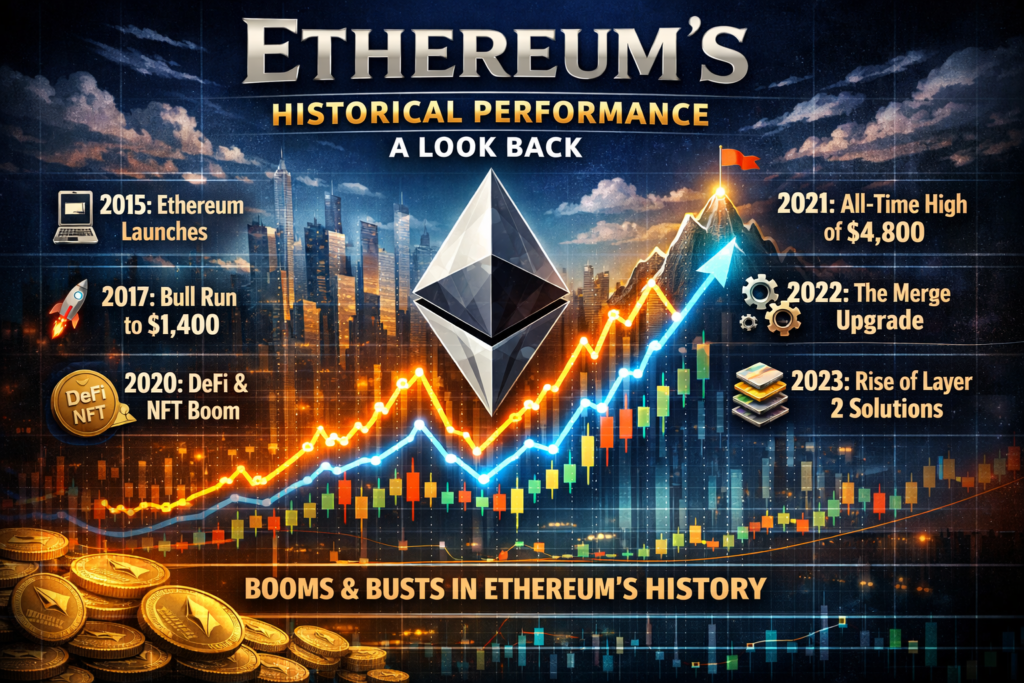
To understand whether Ethereum is a good investment, we must look at its past performance. Since its launch in 2015, Ethereum has experienced significant growth, both in terms of price and use case.
When Ethereum first launched, the price of Ether was less than $1, and the project was largely unknown to the general public. However, as its unique capabilities became clearer, Ethereum began to attract attention. By 2017, Ethereum had surged to over $1,400 per ETH, a price driven by the explosion of ICO (Initial Coin Offerings) that were being built on the Ethereum blockchain. This marked the beginning of Ethereum’s rise to prominence.
Despite its volatile nature, Ethereum continued to rise, reaching an all-time high of over $4,800 in late 2021. This was driven by a combination of factors, including increased adoption of DeFi, the rapid growth of NFTs, and the overall growing interest in blockchain technology. However, like all cryptocurrencies, Ethereum’s price experienced significant corrections and volatility after its peak.
Despite these fluctuations, Ethereum has shown remarkable resilience and growth. It has become more than just a cryptocurrency; it has turned into a foundational technology for the decentralized internet (Web 3.0), allowing developers to build applications that operate independently of centralized institutions.
The price history of Ethereum highlights its speculative nature and the volatility typical of cryptocurrency markets. While it is true that Ethereum has been subject to significant fluctuations, its potential long-term growth is evident, especially given its unique features and the growing adoption of its technology.
Why Ethereum is Considered a Strong Investment
When assessing whether Ethereum is a good investment, there are several key factors to consider. Ethereum’s unique features and the wide range of use cases make it a powerful player in the cryptocurrency space. While its value has experienced significant fluctuations over time, there are many reasons why investors see Ethereum as a long-term investment.
1. Ethereum’s Role in Smart Contracts and Decentralized Finance (DeFi)
At the heart of Ethereum lies its ability to execute smart contracts. These self-executing contracts run on the blockchain, and the terms of the agreement are directly written into lines of code. This innovation removes the need for intermediaries, such as banks, and enables transparent and trustless transactions. As a result, Ethereum has become the platform of choice for developers looking to create decentralized applications (dApps).
One of the biggest growth areas for Ethereum has been in the DeFi space. DeFi refers to a set of financial products and services that operate on blockchain technology without the need for traditional financial intermediaries, such as banks or brokers. Ethereum’s smart contracts provide the foundation for many of the most popular DeFi applications, such as decentralized exchanges (DEXs), lending platforms, and stablecoins.
By enabling the DeFi ecosystem, Ethereum has become a major driver in the growth of the blockchain space. The total value locked (TVL) in DeFi platforms built on Ethereum’s blockchain has surged over the years, reaching billions of dollars. As DeFi continues to expand, the demand for Ethereum is expected to rise, potentially increasing the value of Ether (ETH).
Ethereum’s dominance in DeFi is a significant factor in determining its investment potential. The growing number of DeFi projects and the increasing adoption of Ethereum as a platform for decentralized finance further solidify Ethereum’s position as a key player in the blockchain ecosystem.
2. Ethereum 2.0 and the Transition to Proof of Stake (PoS)
Another major reason why Ethereum is seen as a good investment is the transition to Ethereum 2.0, which includes the shift from Proof of Work (PoW) to Proof of Stake (PoS). Ethereum 2.0 promises to improve several key aspects of the Ethereum network, including scalability, security, and sustainability.
The Proof of Work consensus mechanism that Ethereum has used since its inception is energy-intensive and has been a subject of criticism due to its environmental impact. By moving to Proof of Stake, Ethereum will significantly reduce its energy consumption. Instead of miners using computational power to validate transactions, Ethereum 2.0 will rely on validators who lock up a portion of their ETH to secure the network. This system will make the Ethereum network more energy-efficient and secure while reducing the risk of centralization, which has been a concern in PoW systems.
One of the most significant benefits of Ethereum 2.0 is scalability. With Ethereum’s transition to PoS, sharding will be introduced, a technique that divides the network into smaller pieces (or “shards”) to process transactions in parallel. This will drastically increase the network’s capacity, allowing it to handle thousands of transactions per second, which is crucial for the continued growth of DeFi, NFTs, and other dApps. As Ethereum becomes more scalable and efficient, its value is likely to appreciate, making ETH more attractive to investors.
3. Network Upgrades and Continuous Innovation
One of the strengths of Ethereum is its commitment to continuous development and network upgrades. Ethereum is not a static system; it evolves over time to meet the needs of its users and developers. Ethereum’s frequent upgrades help address scalability issues, improve security, and enhance overall network efficiency. For example, the introduction of EIP-1559 in 2021 was a significant upgrade to Ethereum’s transaction fee model, introducing a deflationary mechanism that burns a portion of transaction fees, reducing the total supply of ETH over time.
These constant improvements make Ethereum a technology that adapts and grows. The Ethereum community is one of the most active and engaged in the cryptocurrency space, and the ongoing development ensures that Ethereum remains at the forefront of blockchain innovation. With features like sharding, Ethereum is paving the way for the next generation of blockchain technology, ensuring its relevance and sustainability in the years to come.
As Ethereum continues to improve and address its limitations, the demand for ETH is likely to rise. The network upgrades, combined with the increasing number of applications being built on Ethereum, create a solid foundation for the future growth of Ethereum. This ongoing innovation is one of the reasons why Ethereum is considered a strong investment in the cryptocurrency market.
4. Growing Adoption in Various Industries
Another key factor in determining whether Ethereum is a good investment is its growing adoption in various industries. Beyond DeFi, Ethereum is being used in a wide range of sectors, including supply chain management, healthcare, and gaming.
One of the most exciting developments is Ethereum’s role in the rise of NFTs (Non-Fungible Tokens). NFTs are unique digital assets that represent ownership of a specific item or piece of content, such as artwork, music, or collectibles. Ethereum is the platform of choice for creating and trading NFTs, and this market has exploded in recent years. The increasing popularity of NFTs, especially among artists, creators, and investors, has contributed to Ethereum’s growing adoption and rising demand.
Ethereum’s Market Potential
The market potential of Ethereum is vast. From the rise of DeFi to the increasing popularity of NFTs (non-fungible tokens), Ethereum is at the center of many of the most exciting innovations in blockchain technology. The following are some key areas where Ethereum is expected to continue growing:
- DeFi: Decentralized finance has become one of the hottest sectors within the cryptocurrency world. As more financial services move onto the Ethereum blockchain, the demand for Ether will continue to grow.
- NFTs: Non-fungible tokens (NFTs) are another rapidly growing market built on the Ethereum blockchain. As more creators and investors enter the NFT space, Ethereum will benefit from increased demand.
- Enterprise Adoption: More and more large corporations are exploring blockchain technology for supply chain management, finance, and other applications. Ethereum’s blockchain is well-positioned to become a foundational layer for many of these use cases.
As the demand for Ethereum grows and its use cases expand, Ethereum’s value could rise significantly. However, much like traditional investments, it’s important to understand the overall investment landscape before diving into this space. For more insights into how professionals in the finance industry, such as investment bankers, earn, you can check out this post on how much investment bankers make in 2026.
Challenges and Risks of Investing in Ethereum
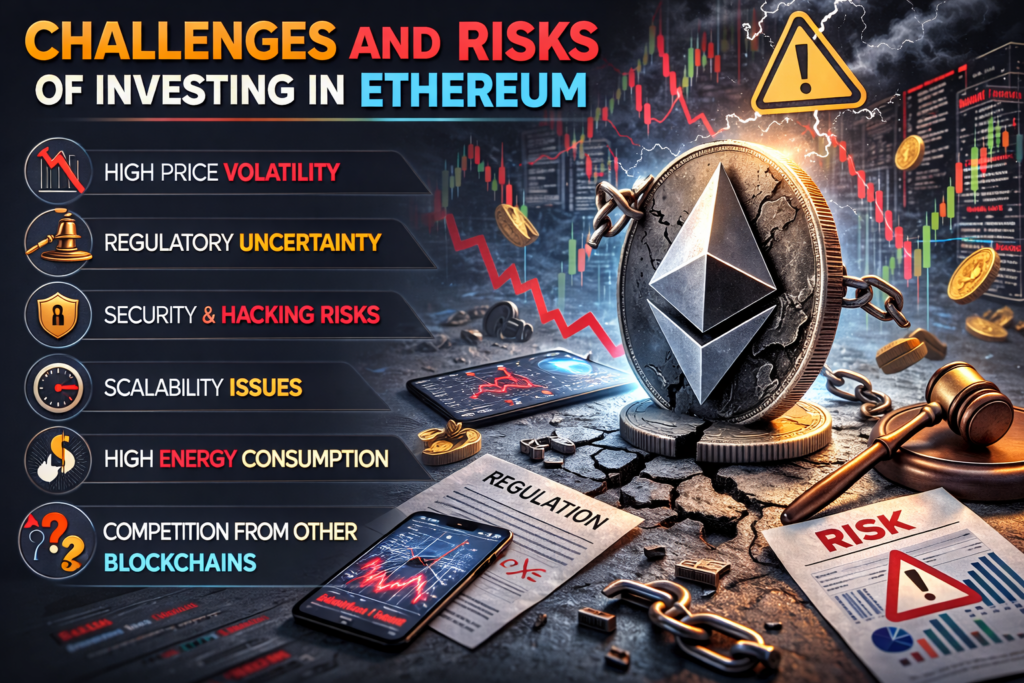
While Ethereum has a bright future, it is important to acknowledge the risks and challenges that come with investing in this digital asset. Like all cryptocurrencies, Ethereum is subject to market volatility, regulatory uncertainty, and scalability challenges. Below are some of the key risks that investors need to consider:
1. Regulatory Risks
The regulatory landscape for cryptocurrencies remains uncertain, and changes in regulations can have a significant impact on the price and adoption of Ethereum. Governments around the world are still working to establish clear guidelines for digital assets, and new regulations could affect the market. For example, some countries have already imposed restrictions on cryptocurrency trading, and further regulatory crackdowns could hinder the growth of the Ethereum network.
2. Scalability Issues
Despite the promising upgrade to Ethereum 2.0, Ethereum still faces scalability challenges, particularly during times of high demand. The network can become congested, leading to higher transaction fees and slower processing times. While Ethereum 2.0 and sharding aim to solve these issues, scalability remains a challenge that could impact the user experience and Ethereum’s overall performance.
3. Market Volatility
Like all cryptocurrencies, Ethereum is subject to significant price fluctuations. The price of ETH can experience dramatic swings based on market sentiment, news, and external factors. While Ethereum has shown impressive long-term growth, short-term volatility can be unsettling for some investors. It’s essential for investors to be prepared for these fluctuations and invest only what they can afford to lose.
Understanding the Risks and Potential Rewards
Now that we’ve explored the potential reasons to invest in Ethereum, let’s delve into how to assess whether Ethereum is a good investment for you, considering the risks and rewards. While Ethereum has demonstrated considerable growth potential, it’s essential to approach it with a clear understanding of both its advantages and challenges.
1. The Future Outlook for Ethereum
When evaluating whether Ethereum is a good investment, the future outlook plays a crucial role. As we’ve mentioned, Ethereum’s ongoing development and improvements are key to its long-term potential. The transition to Ethereum 2.0, with its Proof of Stake (PoS) mechanism and sharding technology, promises to solve many of the scalability and efficiency issues that have plagued Ethereum in the past.
The growing adoption of DeFi and NFTs suggests Ethereum will remain a leader in the decentralized internet (Web3). As DeFi, gaming, and digital art expand, Ethereum will benefit from rising demand for ETH. Staking and passive income from Ethereum 2.0 could also boost ETH demand and price.
However, Ethereum faces challenges to its dominance from emerging smart contract platforms like Polkadot and Cardano. The competition within the blockchain space will likely intensify, and Ethereum will need to continue innovating to maintain its leadership.
2. Diversification: Managing Risk in a Volatile Market
As with any investment, diversification is a critical strategy for managing risk. Ethereum, while showing great promise, is a highly volatile asset, subject to significant price swings. To mitigate the risks associated with investing in Ethereum, consider diversifying your portfolio to include other types of investments—such as stocks, bonds, or other cryptocurrencies.
Diversification helps smooth out the potential volatility of your investments and ensures that you are not overly exposed to a single asset. For example, while Ethereum might be an exciting long-term investment, it’s essential to balance it with safer assets. As Ethereum is still evolving and could face challenges, including competition from other blockchain platforms and regulatory hurdles, having a mix of assets can help reduce overall risk.
3. Risk Tolerance and Time Horizon: Matching Ethereum with Your Investment Goals
Your risk tolerance is key to deciding if Ethereum is a good investment for you. Ethereum’s history shows strong growth potential, but as a high-risk asset, it also experiences steep declines. The price volatility that is characteristic of cryptocurrencies should be considered when deciding if Ethereum fits your investment strategy.
For long-term investors, Ethereum offers significant potential as the platform matures with the full implementation of Ethereum 2.0. Investors confident in Ethereum’s long-term potential (DeFi, NFTs) and tolerance for volatility may find it a compelling hold.
Ethereum is too volatile for short-term stability. Remember the golden rule: never invest more than you can afford to lose.
4. How to Invest in Ethereum
Investing in Ethereum is relatively straightforward. Ready to add Ethereum to your portfolio? Here is a simple guide to get you started.
- Choose a Reliable Exchange: First, you’ll need to select a trustworthy cryptocurrency exchange that offers Ethereum. Some of the most popular platforms include Coinbase, Binance, Kraken, and Gemini. Make sure the platform you choose is reputable and offers the necessary security features to protect your investments.
- Create an Account and Verify Your Identity: Once you’ve chosen an exchange, you’ll need to create an account and verify your identity. This typically involves providing personal information and undergoing a verification process to comply with regulations.
- Deposit Funds: After your account is set up, you can deposit funds into it using your local currency or other cryptocurrencies. Most exchanges allow you to deposit funds via bank transfer, credit card, or other payment methods.
- Buy Ethereum: Once your account is funded, you can place an order to purchase Ethereum. You can choose to buy a full ETH or a fraction of it, depending on the amount you want to invest.
- Secure Your Investment: After purchasing Ethereum, it’s important to secure it in a safe wallet. While exchanges offer wallets for storing ETH, using a hardware wallet like Ledger or Trezor is generally considered more secure. This will protect your assets from hacks and potential theft.
- Consider Staking: If you’re investing in Ethereum for the long term, consider staking your ETH. Staking involves locking up a certain amount of ETH in the network to participate in Ethereum 2.0’s PoS system, which can earn you rewards. Staking is a way to earn passive income while helping to secure the network.
Frequently Asked Questions
1. What makes Ethereum a good investment?
Ethereum is a strong investment due to its key role in smart contracts, DeFi, and NFTs. Furthermore, its Ethereum 2.0 upgrades position it well for long-term growth.
2. How does Ethereum compare to Bitcoin?
Bitcoin is a store of value, while Ethereum enables broader applications like DeFi and NFTs. Ethereum offers broader functionality, which makes it an appealing investment for those interested in blockchain technology beyond just digital currency.
3. What are the risks of investing in Ethereum?
The primary risks of investing in Ethereum include regulatory uncertainty, market volatility, and scalability issues. While Ethereum has proven its potential, these risks should be carefully considered before investing.
4. Should I invest in Ethereum for the long term?
If you have a long-term investment horizon and believe in the future of decentralized applications, Ethereum may be a good investment. However, it’s important to understand the associated risks, especially market volatility.
5. How can I buy Ethereum?
You can buy Ethereum through popular cryptocurrency exchanges such as Coinbase, Binance, and Kraken. Once you’ve set up an account and funded it, you can purchase ETH and store it securely in a wallet.
Conclusion
The question of whether Ethereum is a good investment is complex, but its long-term potential makes it an appealing choice for many investors. Beyond being a cryptocurrency, Ethereum is a versatile platform for smart contracts, dApps, and DeFi, all of which are rapidly gaining traction in the financial sector. The anticipated Ethereum 2.0 upgrade, transitioning to Proof of Stake (PoS), aims to improve scalability, efficiency, and sustainability, further enhancing Ethereum’s value. These upgrades are expected to attract more developers and users, increasing the demand for ETH and boosting its price potential.
However, Ethereum is not without its risks. The cryptocurrency market remains volatile, and Ethereum faces challenges such as regulatory uncertainty and scalability issues. For long-term investors interested in blockchain technology, Ethereum offers significant growth opportunities, but its volatility may deter those seeking stability or short-term returns. Ultimately, Ethereum presents a compelling investment for those willing to accept its risks, with the potential for a rewarding stake in the future of decentralized finance and applications.